
COP, SCOP and heat-pump efficiency explained
Understand test figures, seasonal performance and why system temperature changes the result.
Read guide →
Build an informed shortlist before you request a survey. Dates form the owner-approved 2026 educational series; technical and funding facts are reviewed at build time.
Understand test figures, seasonal performance and why system temperature changes the result.
Read guide →
The questions that reveal design quality, consumer protection and aftercare.
Read guide →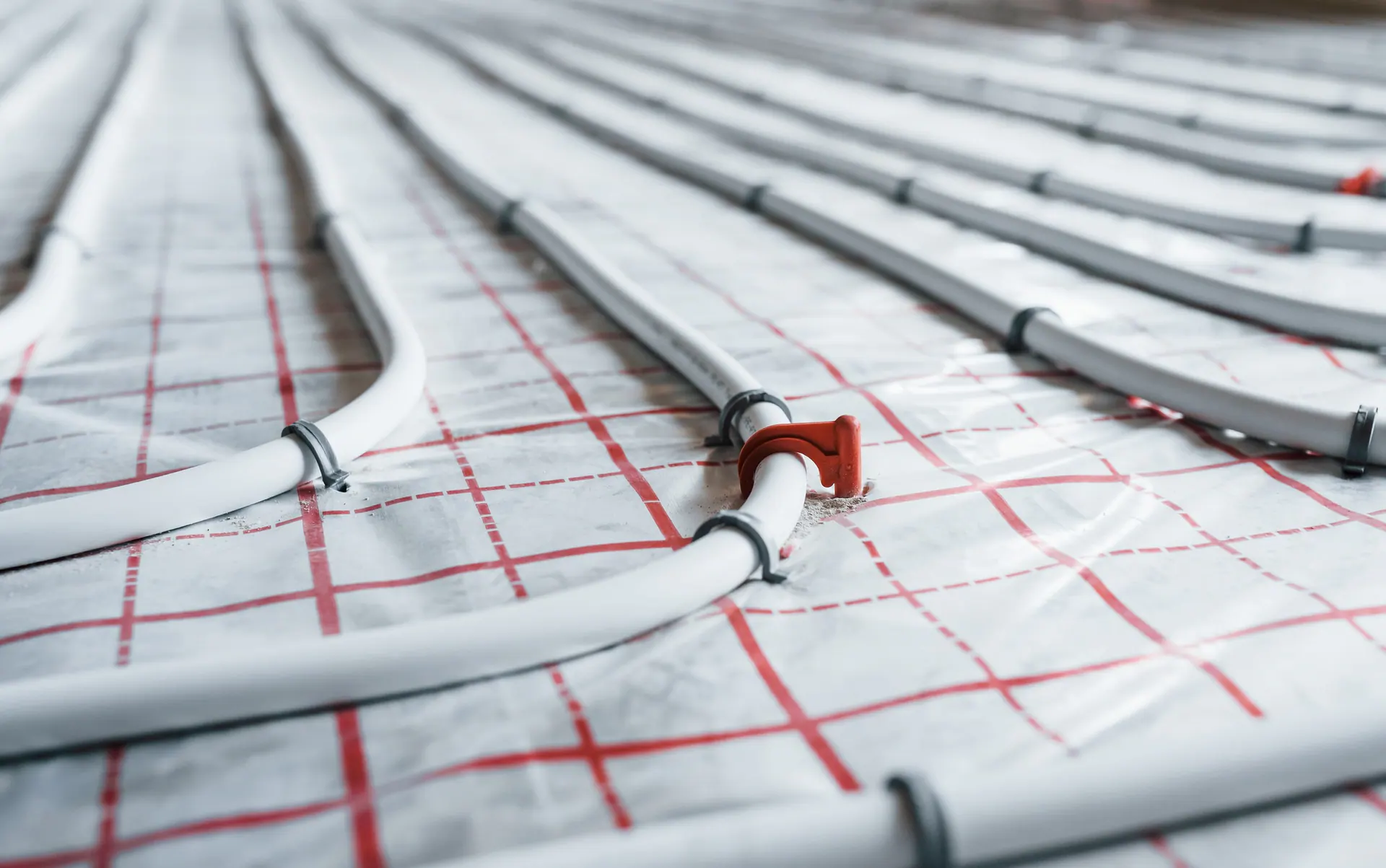
Designing floor output, pipe spacing and controls for low-temperature comfort.
Read guide →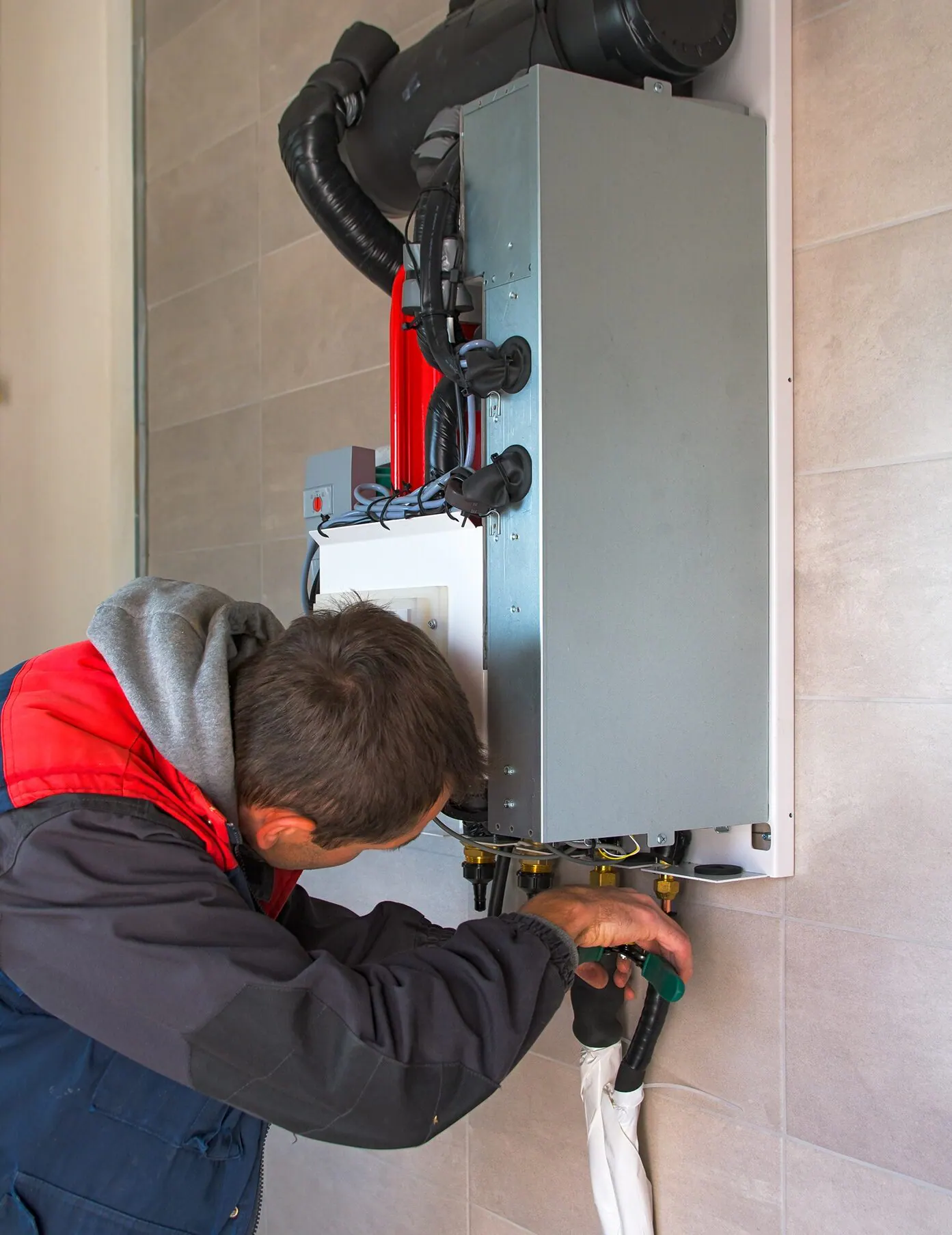
Why storage volume, coil area and household demand matter.
Read guide →How automatic flow-temperature adjustment supports comfort and efficiency.
Read guide →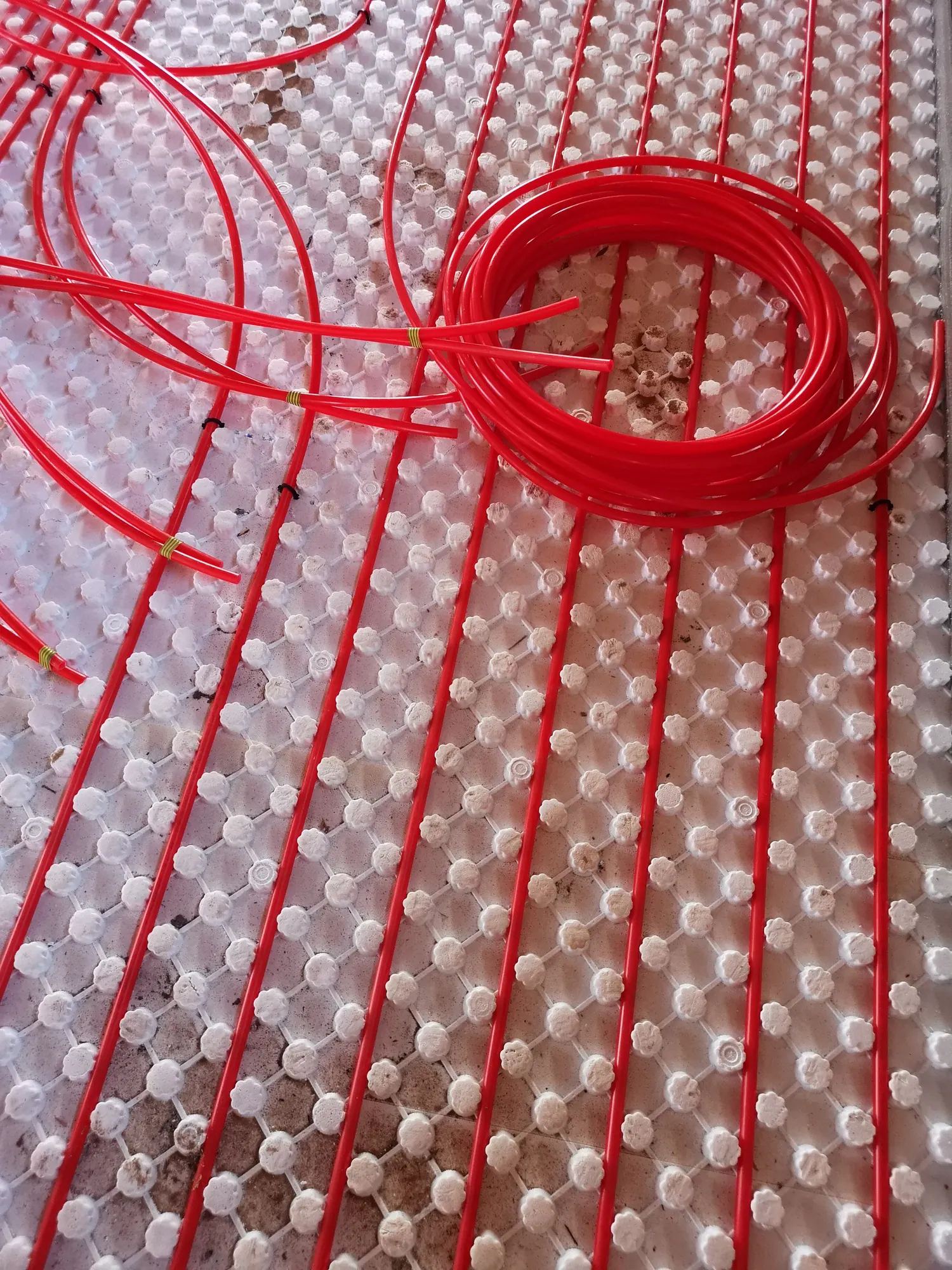
Why early coordination creates simpler, lower-temperature systems.
Read guide →A balanced route through fabric, radiators, conservation and comfort.
Read guide →A homeowner’s introduction to horizontal collectors and vertical boreholes.
Read guide →
How collectors, cylinders and controls can share domestic hot-water duties.
Read guide →
When noise, icing, cycling or lost comfort needs professional diagnosis.
Read guide →A practical checklist for air-source and ground-source systems.
Read guide →From survey and design through changeover, commissioning and handover.
Read guide →How thoughtful positioning protects neighbours, access and system performance.
Read guide →Current grant values, the installer-led process and questions to ask before relying on funding.
Read guide →A realistic look at tariffs, weather, flow temperature, controls and household demand.
Read guide →Why the answer is often “some of them” and how output is checked.
Read guide →
How measured heat demand prevents oversizing, cold rooms and unnecessarily high flow temperatures.
Read guide →The checks that matter more than property age alone.
Read guide →Compare space, groundworks, seasonal behaviour, budget and maintenance before choosing.
Read guide →A plain-English explanation of heat transfer, the refrigerant cycle and the wet heating system inside the home.
Read guide →A guide can explain the principle; a measured survey determines what applies to your home.
Start with the decision in front of you: comparing technologies, checking whether an older home can use lower water temperatures, planning a renovation, understanding grant support, or diagnosing an existing heat pump. Read the relevant guide, note the assumptions behind any figures, and write down the details that only a property survey can establish.
Useful evidence includes recent energy consumption, the present heating fuel, rooms that struggle to reach temperature, radiator dimensions, hot-water patterns, electrical capacity, possible outdoor positions and planned insulation or building work. Photographs can improve an initial conversation, but they do not replace room-by-room heat-loss calculations, emitter checks or safe access inspection.
Guide dates identify this 2026 educational series. Technical, planning and funding claims are reviewed against current sources at build time, but official rules can change. Follow the linked Ofgem or GOV.UK source before relying on an eligibility figure or compliance route.
A meaningful quotation should describe the heat-demand calculation, intended flow temperature, emitter changes, cylinder and controls strategy, equipment siting, electrical or ground work, commissioning, handover and aftercare. Compare those items consistently rather than comparing product names or headline efficiencies alone.
Running cost depends on weather, household demand, control settings, tariffs and the system that is replaced. A grant can reduce eligible capital cost but does not prove that a technology suits the home. Where a guide raises uncertainty, use it to ask a more precise question during assessment rather than treating a generic answer as a promise.
Keep the final design, settings, warranties, commissioning evidence and maintenance record. Those documents help the homeowner operate the system and give future engineers a dependable starting point.