
Renewable heating
Heat pump repairs
Structured fault finding for air-source and ground-source heating systems.
Explore service →
Planned checks that protect performance, reliability and manufacturer requirements.

Heat-pump maintenance combines equipment inspection with a check of how the whole heating system is operating. Airflow or ground-loop condition, strainers, pressures, temperatures, controls and hot-water operation all matter.
Annual attention is a sensible baseline for most domestic systems, subject to manufacturer instructions and warranty terms. Book sooner when noise, comfort or electricity use changes.
Review service history and homeowner observations
Inspect outdoor/ground-side and indoor equipment
Check water quality, pressures, strainers and safety components
Review controls, schedules and measured temperatures
Report condition and prioritise recommendations
Answers are shown in full so they remain useful and accessible. Property-specific decisions still require survey evidence.
Browse the full FAQ library →Follow the manufacturer and warranty requirements; annual servicing is a common domestic interval.
No. It can correct avoidable inefficiency, but weather, tariff, settings, fabric and household demand also affect consumption.
It can reveal symptoms such as high flow temperatures or short cycling. A separate system review may be needed to diagnose the root cause.
Share the property type, current heating fuel, recent energy use where available, comfort problems, planned building work and photographs of the existing equipment. This helps us identify the right survey or diagnostic visit.
A reliable price follows a defined scope. Equipment, access, diagnostic or heat-loss work, emitter and cylinder changes, electrical work, controls, commissioning and aftercare can all affect the quotation.
Continue with the services most closely connected to heat pump maintenance.
Structured fault finding for air-source and ground-source heating systems.
Explore service →Property-led design, installation and support for air-to-water heat pumps across Surrey.
Explore service →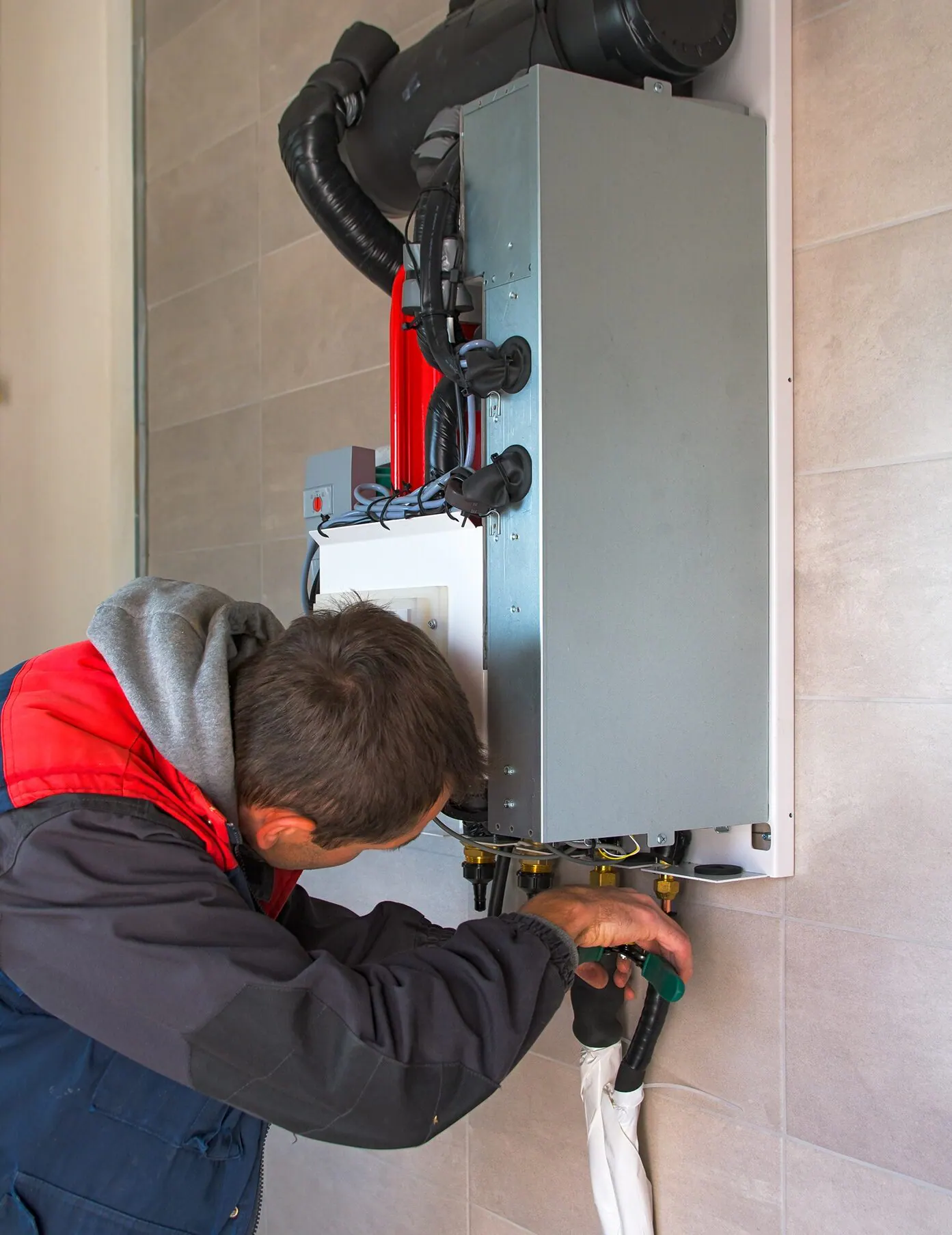
Long-term ground-source heating designed around land, geology, heat demand and the home’s emitters.
Explore service →Tell us what is working, what is not and what you hope to change. We’ll recommend the right next assessment.
Renewable heating works best when the recommendation follows measured evidence. We look at the building fabric, room-by-room heat demand, the condition and output of radiators or floor circuits, water temperatures, pipe sizes, hot-water storage, controls, electrical supply, access and where equipment can be serviced safely. For a fault or maintenance visit, the same whole-system view helps separate a component problem from an operating or design symptom.
The proposal should state its assumptions, including the design outside temperature, intended flow temperature, expected emitter output, hot-water strategy and any enabling work. Where information is uncertain, we explain what must be measured or confirmed rather than hiding the uncertainty inside a product allowance.
Think about the rooms that are difficult to heat, how the household uses hot water, acceptable disruption, future extensions, insulation plans and the space available for cylinders, controls or outdoor equipment. These details can change the sensible sequence of work and prevent avoidable alterations later.
Performance and running cost cannot be guaranteed from a product label. The useful comparison is a written system design with clear heat-demand and tariff assumptions. We can also explain where the Boiler Upgrade Scheme may apply, while keeping grant eligibility separate from the engineering decision.