
Renewable heating
Heat pump installation
A measured route from suitability assessment to commissioned renewable heating.
Explore service →
Long-term ground-source heating designed around land, geology, heat demand and the home’s emitters.
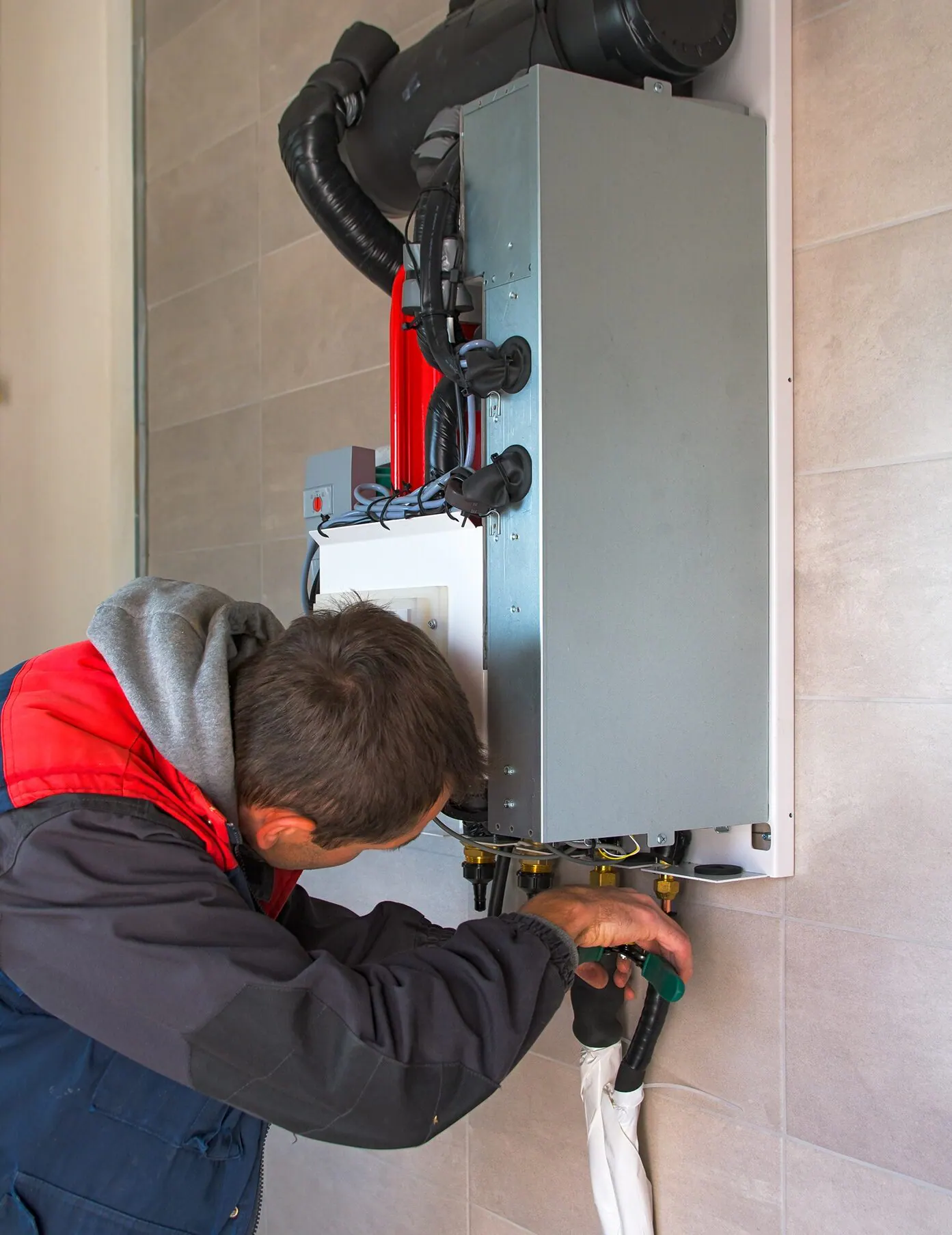
A ground source heat pump collects low-grade heat through buried horizontal loops or boreholes, then raises it to a useful temperature for heating and hot water. Ground temperatures are comparatively stable, but the collector and building system must be engineered together.
Ground source can suit homes with enough land for trenches or a viable borehole solution. Access for groundworks, geology, protected landscapes, heat demand and capital budget all shape the design.
Establish heat demand, land and access constraints
Compare horizontal collector and borehole approaches
Coordinate ground array, plant room, cylinder and emitters
Confirm permissions, costs and grant route
Install, pressure-test, commission and explain operation
Answers are shown in full so they remain useful and accessible. Property-specific decisions still require survey evidence.
Browse the full FAQ library →There is no universal area. Collector length depends on ground conditions, extraction rates and the home’s heat demand.
No. Boreholes reduce surface disruption but usually cost more. Horizontal arrays can be effective where land and access allow.
The standard BUS grant for eligible ground-source installations is £7,500, with temporary higher support for some qualifying off-gas properties.
Share the property type, current heating fuel, recent energy use where available, comfort problems, planned building work and photographs of the existing equipment. This helps us identify the right survey or diagnostic visit.
A reliable price follows a defined scope. Equipment, access, diagnostic or heat-loss work, emitter and cylinder changes, electrical work, controls, commissioning and aftercare can all affect the quotation.
Continue with the services most closely connected to ground source heat pumps.
A measured route from suitability assessment to commissioned renewable heating.
Explore service →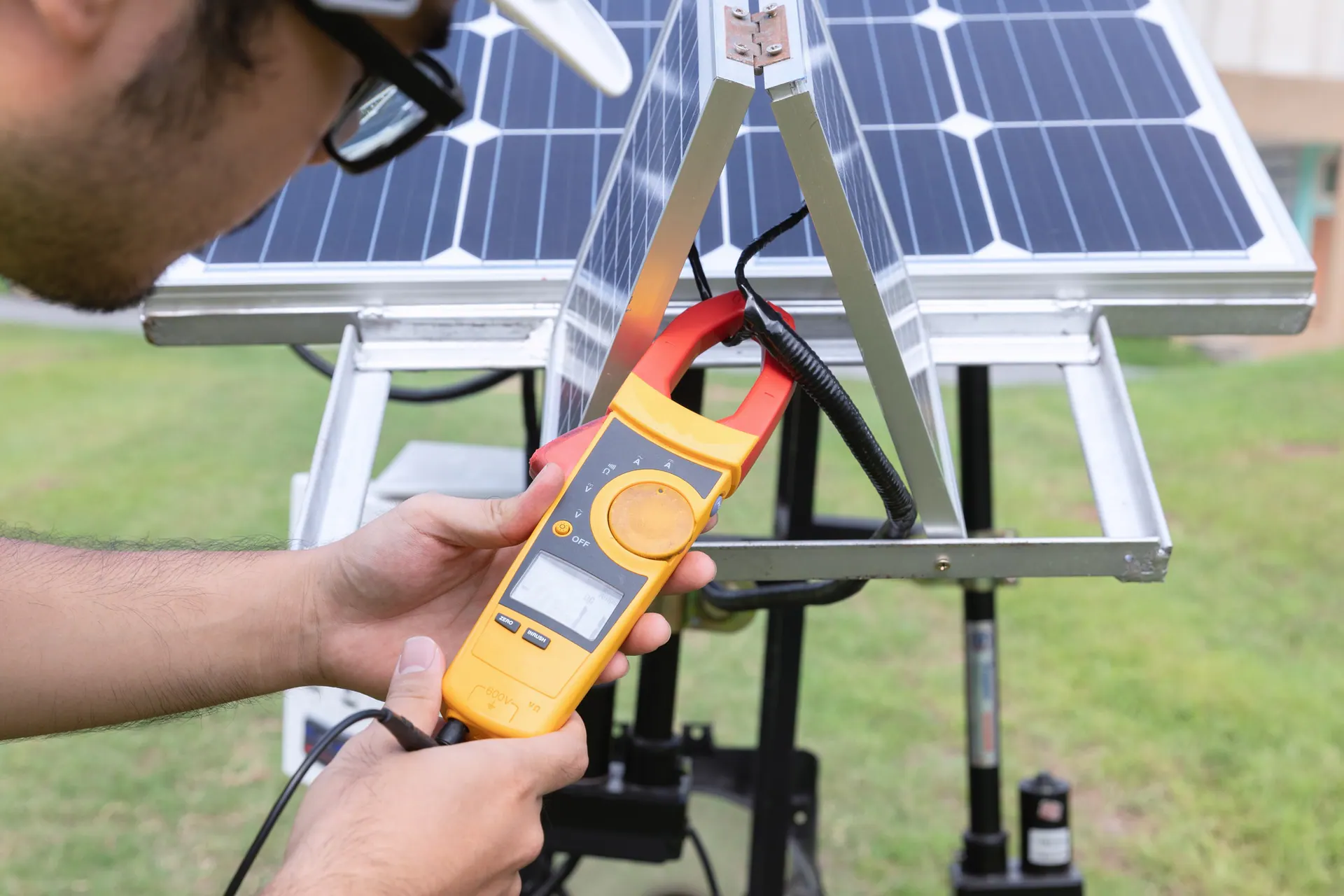
Room-by-room evidence for sizing heat pumps, emitters and controls.
Explore service →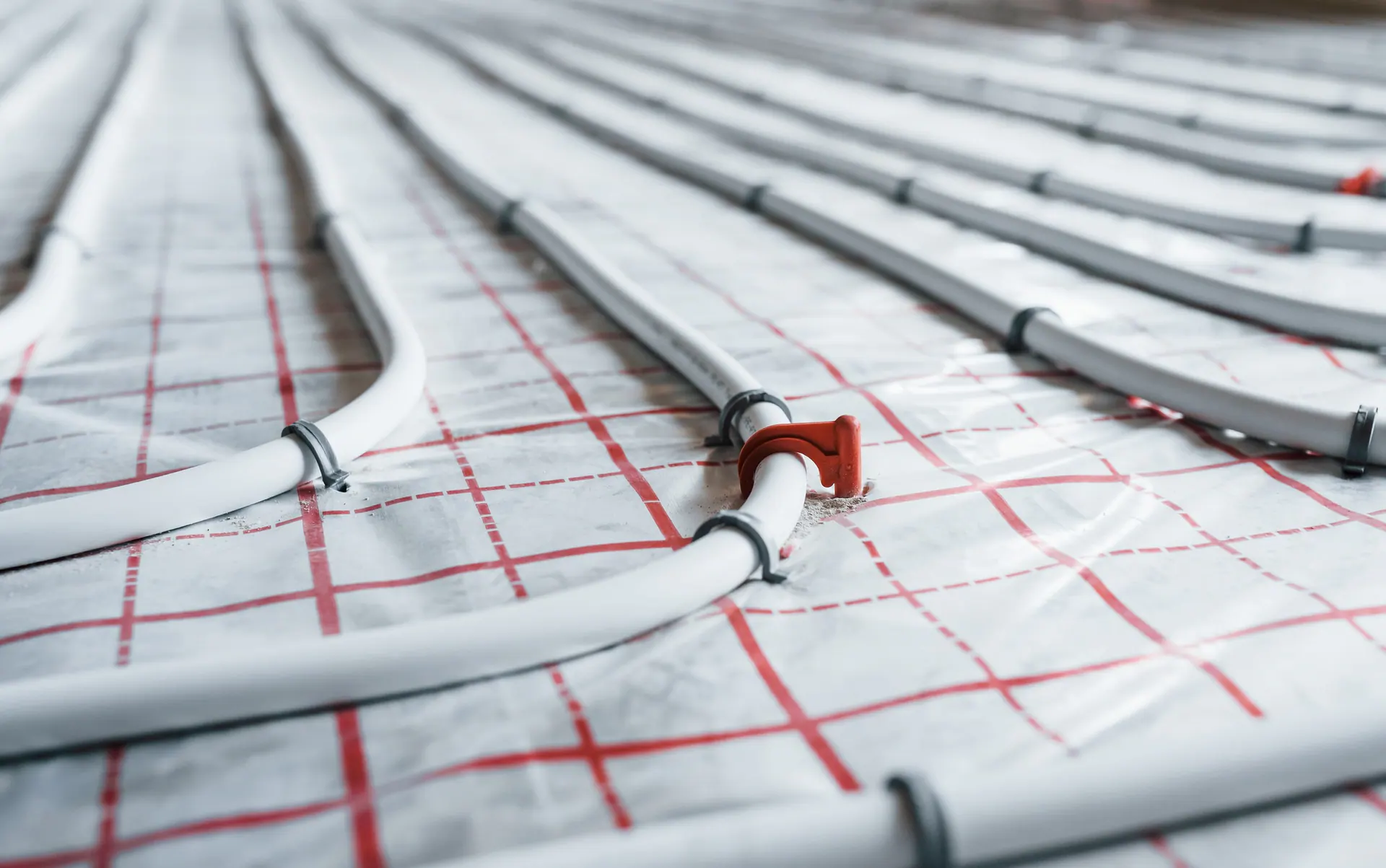
Low-temperature heat distribution for renovations, extensions and new homes.
Explore service →Tell us what is working, what is not and what you hope to change. We’ll recommend the right next assessment.
Renewable heating works best when the recommendation follows measured evidence. We look at the building fabric, room-by-room heat demand, the condition and output of radiators or floor circuits, water temperatures, pipe sizes, hot-water storage, controls, electrical supply, access and where equipment can be serviced safely. For a fault or maintenance visit, the same whole-system view helps separate a component problem from an operating or design symptom.
The proposal should state its assumptions, including the design outside temperature, intended flow temperature, expected emitter output, hot-water strategy and any enabling work. Where information is uncertain, we explain what must be measured or confirmed rather than hiding the uncertainty inside a product allowance.
Think about the rooms that are difficult to heat, how the household uses hot water, acceptable disruption, future extensions, insulation plans and the space available for cylinders, controls or outdoor equipment. These details can change the sensible sequence of work and prevent avoidable alterations later.
Performance and running cost cannot be guaranteed from a product label. The useful comparison is a written system design with clear heat-demand and tariff assumptions. We can also explain where the Boiler Upgrade Scheme may apply, while keeping grant eligibility separate from the engineering decision.