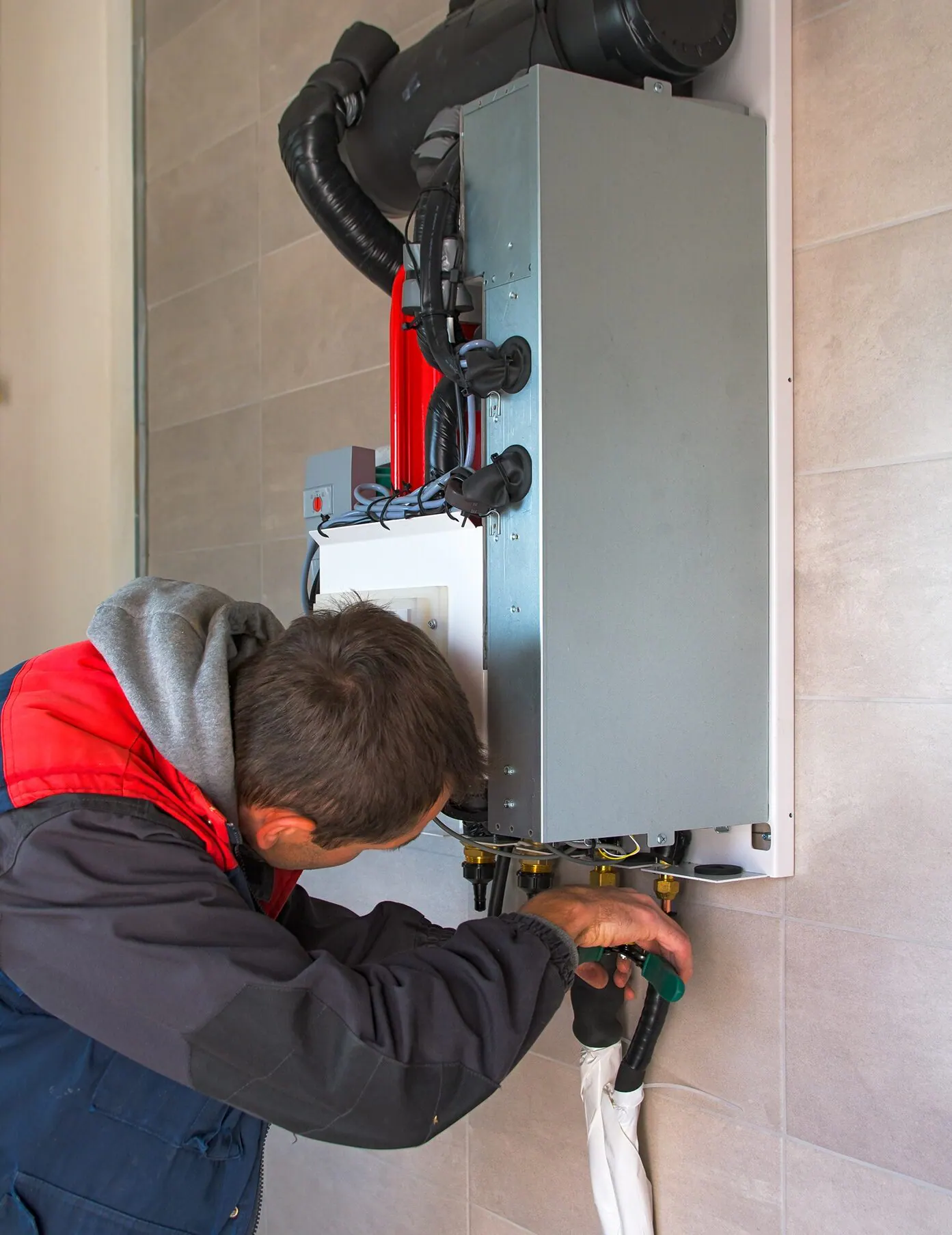
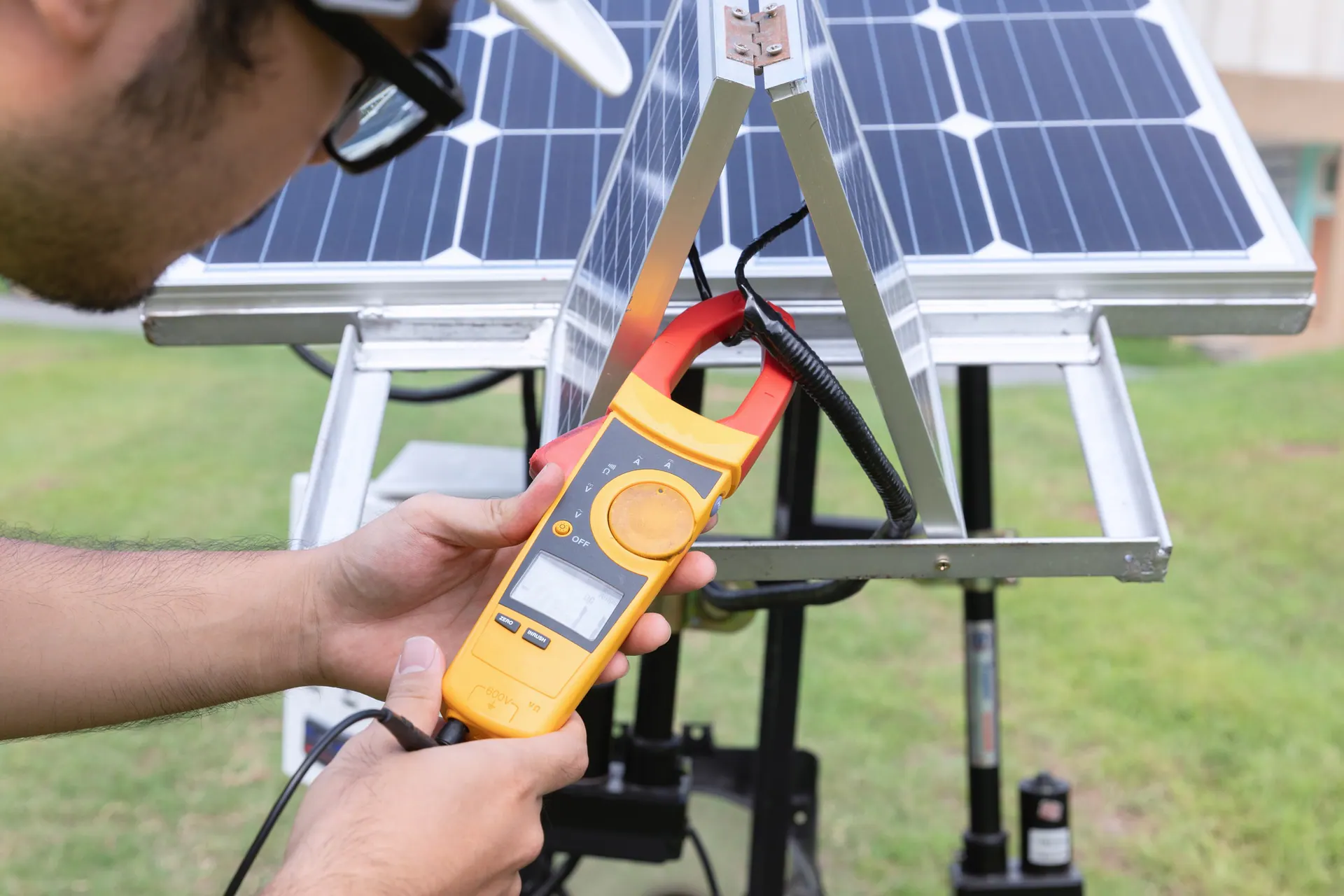
A plain-English explanation of heat transfer, the refrigerant cycle and the wet heating system inside the home. This guide explains the decision points without promising that one answer fits every property.
Heat is moved, not created
A heat pump gathers low-grade energy from air or ground and uses a compressor-driven refrigerant cycle to raise its temperature. The useful heat then passes into water for space heating and hot water. Because the system moves heat, its delivered heat can be greater than the electricity used by the compressor.
For heat is moved, not created, ask the designer to show the property evidence, assumptions and practical consequence rather than relying on a generic rule. Record the current fuel, annual consumption if available, rooms that struggle, desired temperatures, hot-water pattern and any planned renovation. A product figure measured under stated conditions is not a household bill forecast, so comparisons should identify the design temperature, intended water temperatures, controls and enabling work. Check who owns the heat-loss calculation, emitter schedule, electrical or ground scope, commissioning and handover. Avoid selecting equipment from floor area alone or treating a grant as proof that the system suits the home. Keep the final design, settings, warranties and service record so future adjustments and fault finding start from evidence.
The building is part of the machine
Performance is shaped by heat loss, flow temperature, radiator or floor output, hydraulic design and controls. An efficient outdoor unit cannot compensate for an undersized emitter or poor commissioning.
For the building is part of the machine, ask the designer to show the property evidence, assumptions and practical consequence rather than relying on a generic rule. Record the current fuel, annual consumption if available, rooms that struggle, desired temperatures, hot-water pattern and any planned renovation. A product figure measured under stated conditions is not a household bill forecast, so comparisons should identify the design temperature, intended water temperatures, controls and enabling work. Check who owns the heat-loss calculation, emitter schedule, electrical or ground scope, commissioning and handover. Avoid selecting equipment from floor area alone or treating a grant as proof that the system suits the home. Keep the final design, settings, warranties and service record so future adjustments and fault finding start from evidence.
What homeowners notice
Heat pumps usually deliver steadier heat for longer periods than a boiler. Good controls avoid deep setbacks and help the system maintain comfort without repeated high-temperature bursts.
For what homeowners notice, ask the designer to show the property evidence, assumptions and practical consequence rather than relying on a generic rule. Record the current fuel, annual consumption if available, rooms that struggle, desired temperatures, hot-water pattern and any planned renovation. A product figure measured under stated conditions is not a household bill forecast, so comparisons should identify the design temperature, intended water temperatures, controls and enabling work. Check who owns the heat-loss calculation, emitter schedule, electrical or ground scope, commissioning and handover. Avoid selecting equipment from floor area alone or treating a grant as proof that the system suits the home. Keep the final design, settings, warranties and service record so future adjustments and fault finding start from evidence.
The practical next step
Use this information to ask better questions, then base the final decision on room-by-room heat loss, emitter output, site constraints and a written design. Renewable Heating Surrey can help turn the general principle into a property-specific assessment.